For years, search engines have worked the same way: you type in a few keywords, and the system returns a list of web pages. This made sense when information moved slowly and most questions had simple, direct answers. But that’s not how the modern business world works anymore.
The volume and complexity of information you deal with every day—from shifting regulations to industry benchmarks to fast-moving customer preferences—can no longer be managed by static search. And the next two years will see this old approach fade faster than most realize.
The Old Model: Static Search Is Hitting Its Limits
Let’s be honest: traditional search engines are showing their age. If you’ve tried to answer a nuanced question or navigate a complex business decision using Google or even enterprise search tools, you know the frustration.
Too many results, not enough context.
Answers that are out of date or ignore your company’s unique situation.
Tools that can’t “connect the dots” between people, systems, and real-world outcomes.
This is because static search relies on a fixed index. It’s like flipping through a massive, outdated phone book, hoping you stumble on what you need.
The Shift: From Static Answers to Living, Adaptive Knowledge
The future is about living knowledge—dynamic systems that organize, connect, and update information in real time, tailored to your actual needs.
Enter AI-driven knowledge graphs.
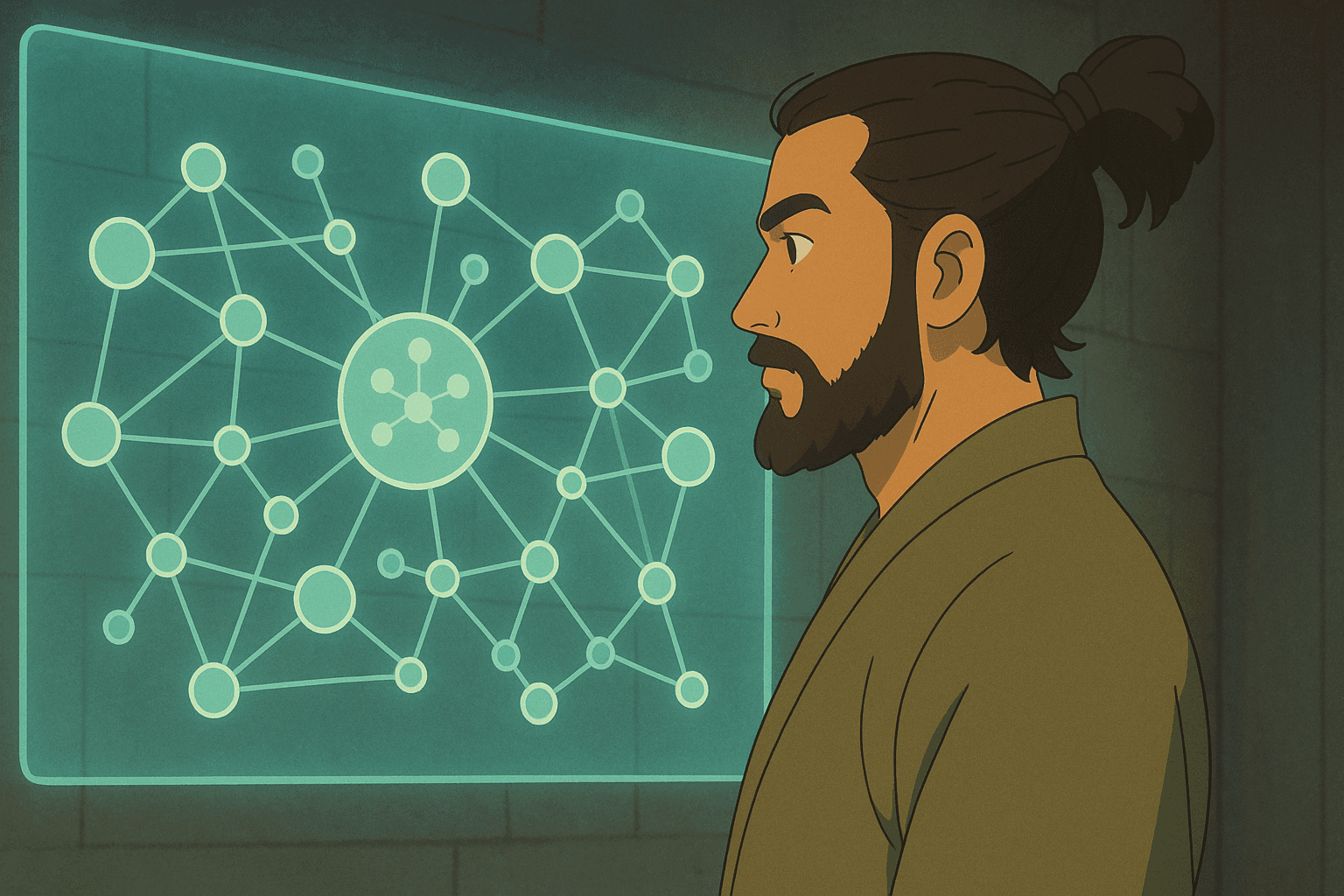
Think of a knowledge graph as your own, evolving map of what matters:
People, projects, relationships, policies, and real-world outcomes
All linked together, updated constantly, and filtered by what’s most relevant to you and your team
AI-powered knowledge graphs don’t just “find” documents. They understand context, track relationships, and even learn your preferences. Instead of searching for a needle in a haystack, you’re letting AI connect the dots, surface what matters, and support real-time decision-making.
Practical Impact: What This Means for You
Here’s why this matters right now:
AI agents are moving from basic chatbots to genuine assistants. They don’t just look things up—they understand your questions, pull from all the right sources, and help you reason through complex problems.
Relevance beats volume. Imagine a system that only surfaces what’s up-to-date, trustworthy, and actionable for your business—not a generic answer for the masses.
Time and accuracy. As a leader, your time is your scarcest resource. The businesses that adopt AI-driven knowledge systems will see faster, smarter, more confident decisions—and less time wasted “just searching.”
You don’t have to be a tech specialist to see the trend:
The next era of business advantage will go to leaders who build systems that think alongside them—not just store information. Static search is dying. Living knowledge systems, powered by AI, are rising.
What’s Coming Next
Over the next 24 months, this shift will accelerate:
Leading companies will move from relying on search engines to building their own knowledge graphs—mirroring how their teams actually think and work.
AI will become a core collaborator, not just a tool, helping teams reason, plan, and execute in real time.
The ability to “see the story” behind your data—connecting the right dots, surfacing hidden risks and opportunities—will become a competitive edge.
As I wrote in my piece on Artificial Cultural Intelligence (ACI), every company is shaped by its own unique way of organizing knowledge and making sense of the world. AI-driven knowledge graphs let you honor that uniqueness—and finally put your information to work.

Comments